
Women in the Middle East Before and After Political Islam: A Photographic Record
Photographs from the 1950s and 1970s show Afghan university students, Iranian women on city streets, and Egyptian women in public — uncovered, educated, and free. The same countries in 2023 show a near-total inversion. This is not a difference of culture or tradition. It is the documented effect of political Islam taking power.
The photographs below are not propaganda. They are the historical record. They show the same countries at two different points in time — before political Islam consolidated power, and after. The contrast requires no narration.
The argument that Islamic dress is a free choice requires explaining why that choice was almost universally different before Islamist governments imposed it — and why it changed so rapidly, in the same direction, in every country where political Islam took power.
Afghanistan: Traditional → 1958 → 2023
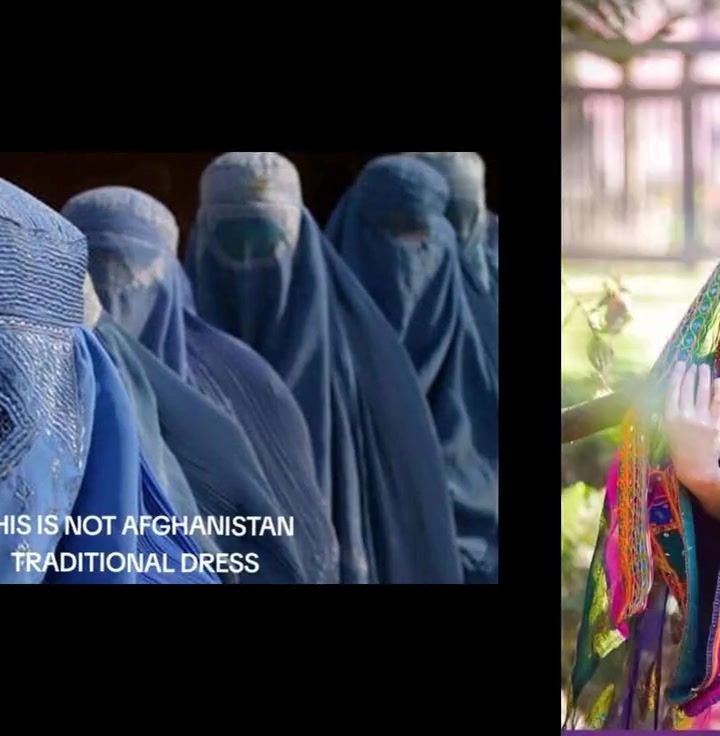
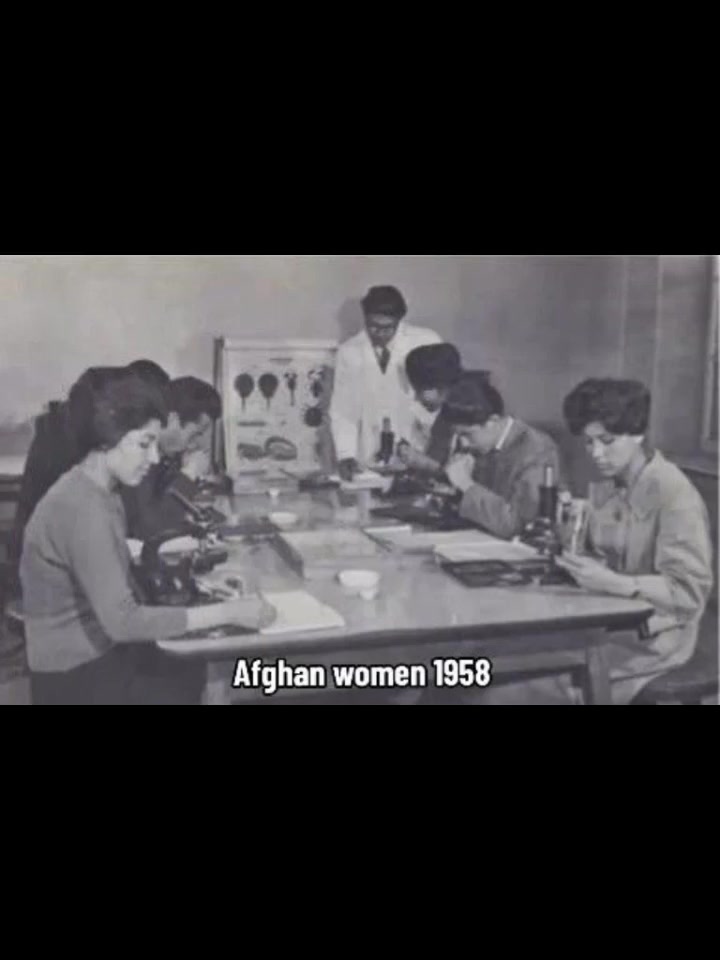
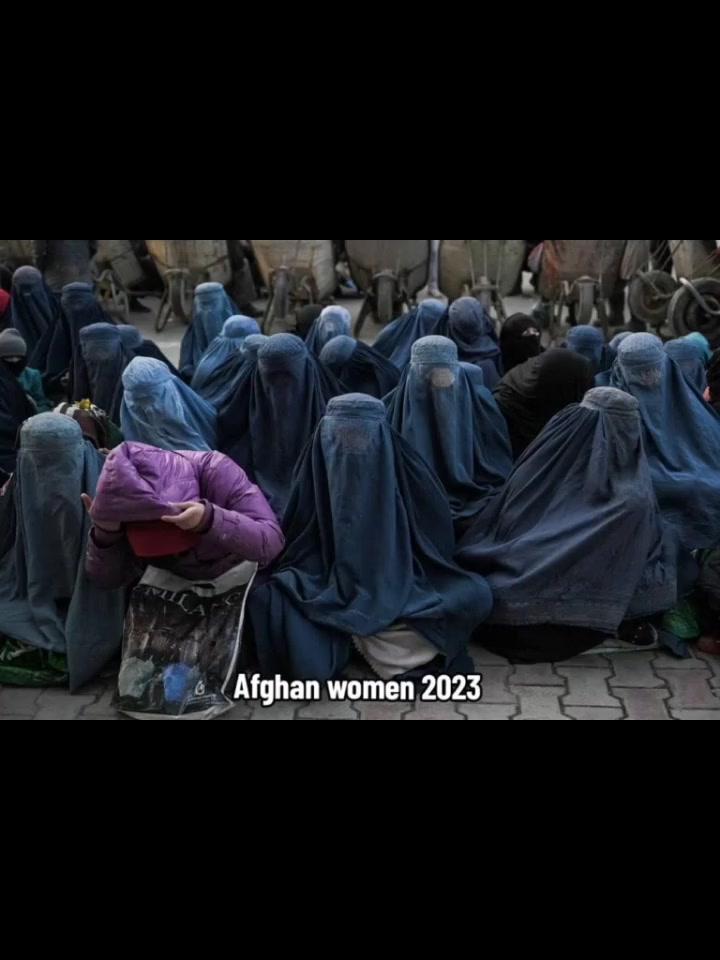
Afghanistan's timeline:
- 1964: Afghanistan's constitution grants women the right to vote
- 1960s–1970s: Women attend Kabul University in Western dress; women in government, medicine, and education
- 1978: Communist coup. Initial expansion of women's rights under Soviet-backed government
- 1996: Taliban first takeover. Girls banned from school. Women banned from employment. Mandatory full burqa in public. Women cannot leave home without a male guardian.
- 2001: US-led coalition removes Taliban. Girls' schools reopen. Women return to public life, parliament, professions.
- 2021: Taliban return. Girls' secondary education banned immediately. Women's universities banned December 2022. Women barred from parks, gyms, and most public spaces. NGOs employing women shut down.
In 25 years of Taliban governance, Afghanistan went from a country where women studied science to one where they cannot show their face in public.
Iran: Traditional → 1970 → 2023
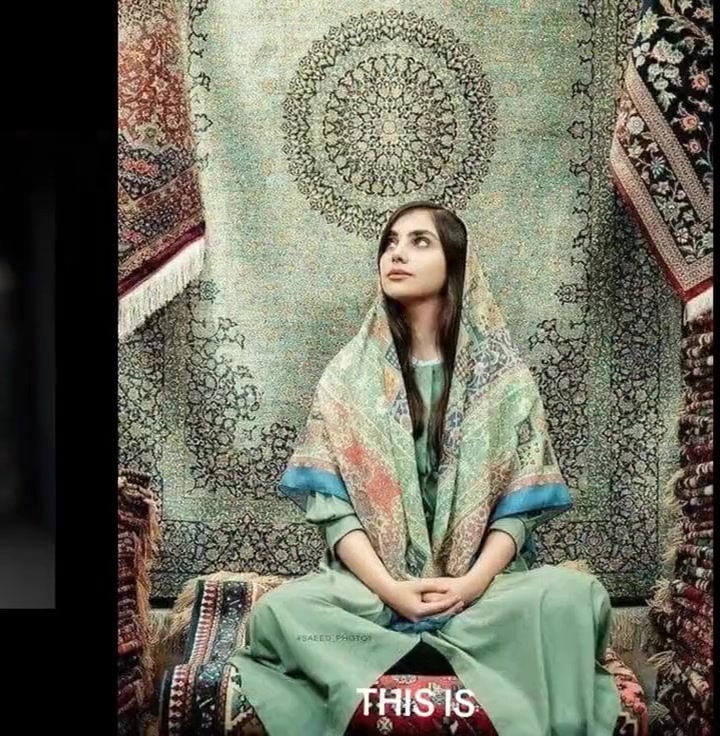
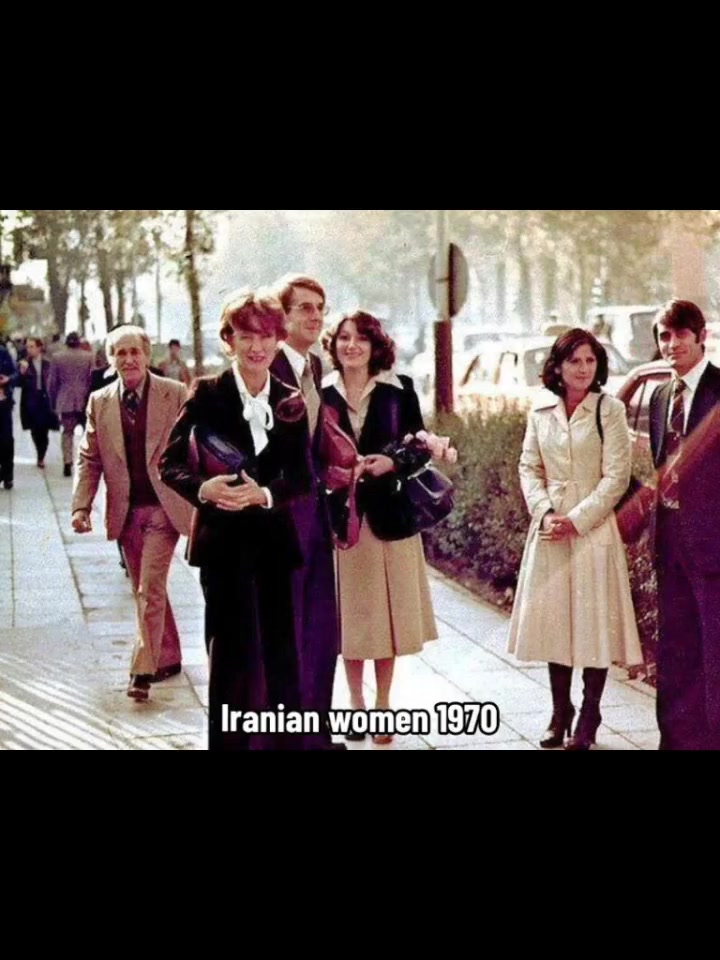
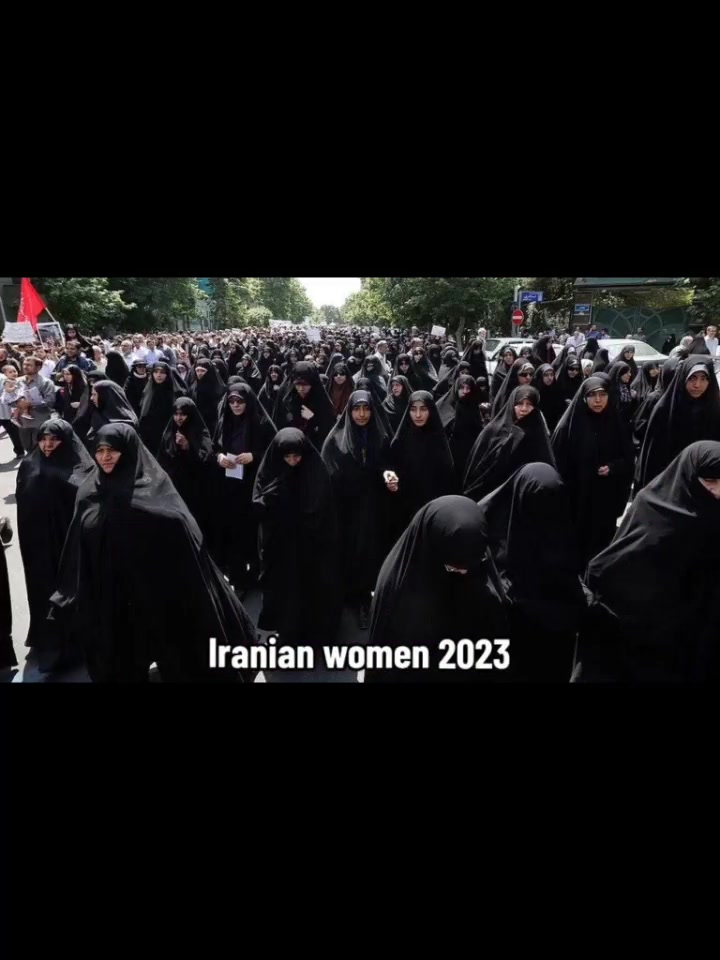
Iran's timeline:
- 1963: Shah's White Revolution grants women the right to vote and stand for election
- 1960s–1970s: Iranian women enter universities, professions, and parliament. 7 female MPs by 1979. Miniskirts, Western dress, and mixed social settings are common in Tehran.
- February 1979: Islamic Revolution. Khomeini returns from exile. The revolutionary coalition includes leftists, secular nationalists, and Islamists.
- March 7, 1979: Khomeini announces that government employees must wear hijab. International Women's Day (March 8), tens of thousands of women march in protest. They are attacked by Islamist mobs.
- 1980: Full mandatory hijab enforced by law. Women banned from being judges. Marriage age for girls lowered to 9 (later adjusted to 13, with exceptions).
- 2022: Mahsa Amini, a 22-year-old Kurdish-Iranian woman, is arrested by the morality police (Gasht-e Ershad) for 'improper hijab' — hair visible. She dies in custody three days later. Nationwide protests erupt. Hundreds killed. Thousands arrested.
- 2023–2026: Enforcement intensified. Women arrested for appearing without hijab in cars, restaurants, or public spaces. Surveillance cameras used to identify and fine unveiled women.
The women who were walking unveiled on Tehran's streets in 1970 did not choose to cover. They were compelled to, by law, backed by the threat of arrest.
Egypt: 1950 → 2023
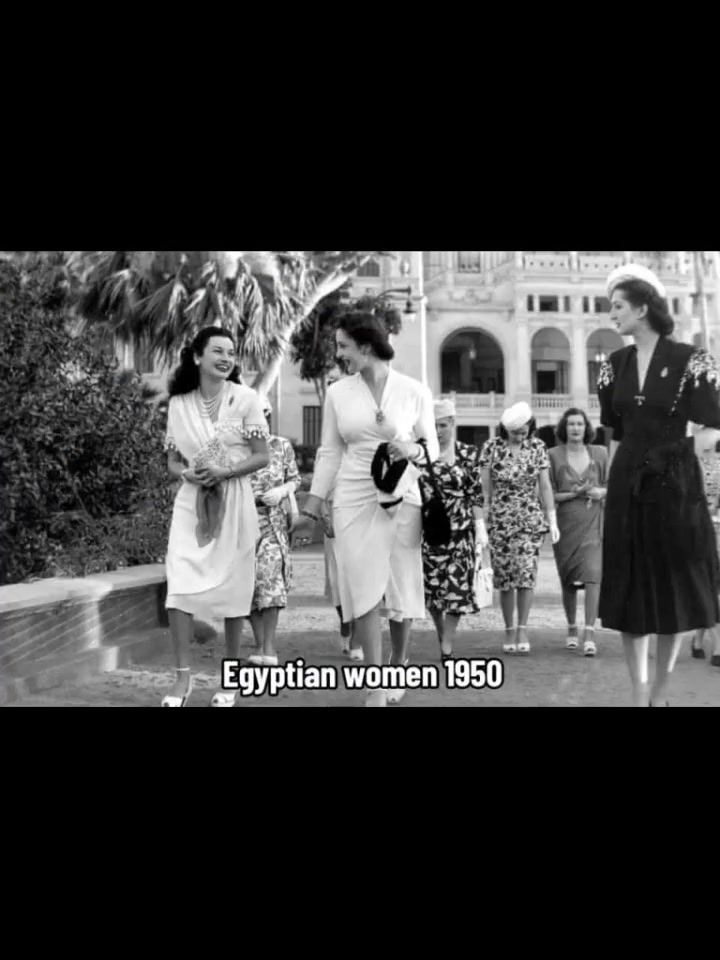
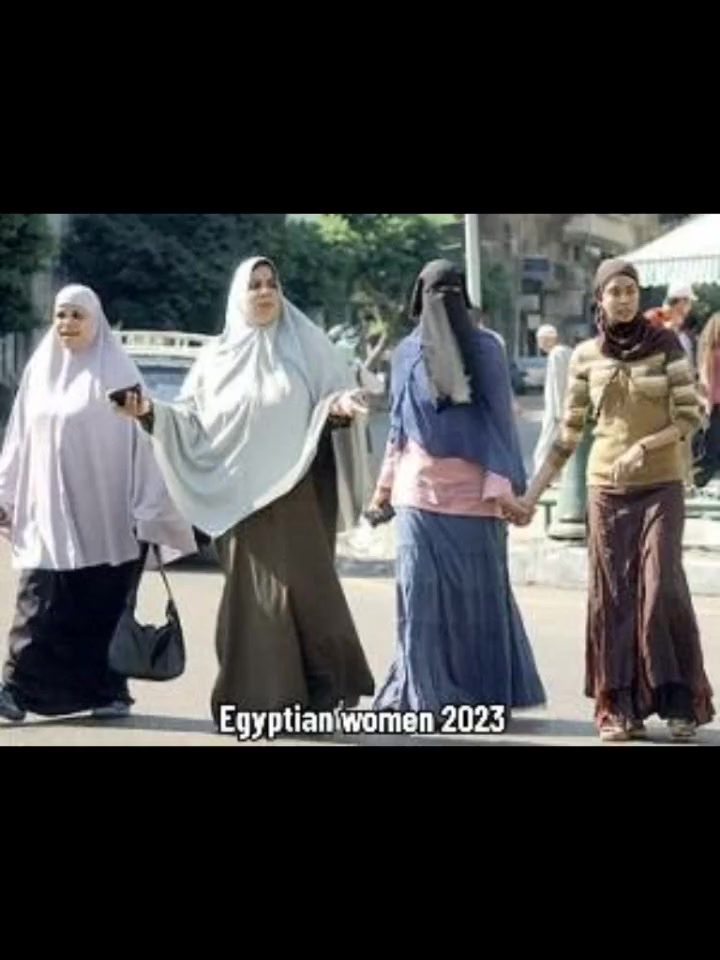
Egypt's timeline:
- 1956: Egypt's first female minister appointed under Nasser. Women vote from 1956.
- 1950s–1960s: Egyptian cinema is the Hollywood of the Arab world. Actresses like Soad Hosny, Nadia Lutfi, and Faten Hamama appear unveiled. Egypt's streets show Western and traditional dress side by side, with no legal mandate.
- 1970: Sadat succeeds Nasser. To counter leftist opposition, he releases Muslim Brotherhood members from prison and allows them to organize. Islamist student groups grow on campuses.
- 1981: Sadat assassinated by Islamists. Hosni Mubarak continues the same accommodation with Islamist social pressure.
- 1990s: Hijab wearing accelerates sharply — driven by Gulf-funded Islamist social movements, not government mandate. Egyptian television, once featuring unveiled women, shifts to almost exclusively covered presenters.
- Today: Egypt has no mandatory hijab law, but the social pressure is near-total. An estimated 90% of Egyptian Muslim women wear hijab. The change from 1950 to today represents six decades of organized religious and social pressure — not a spontaneous change in preference.
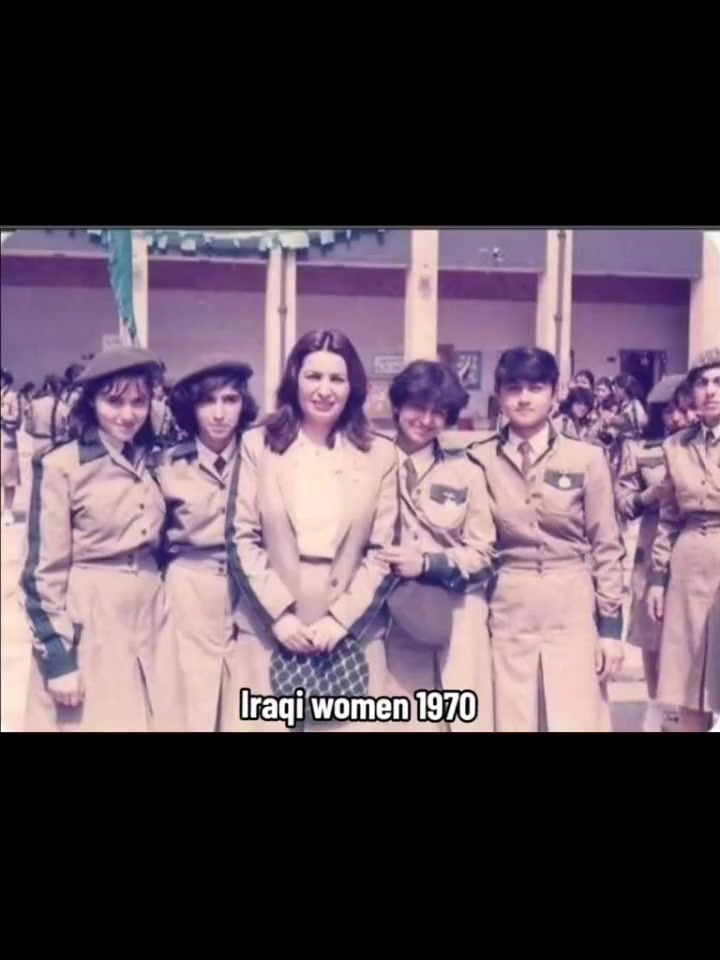
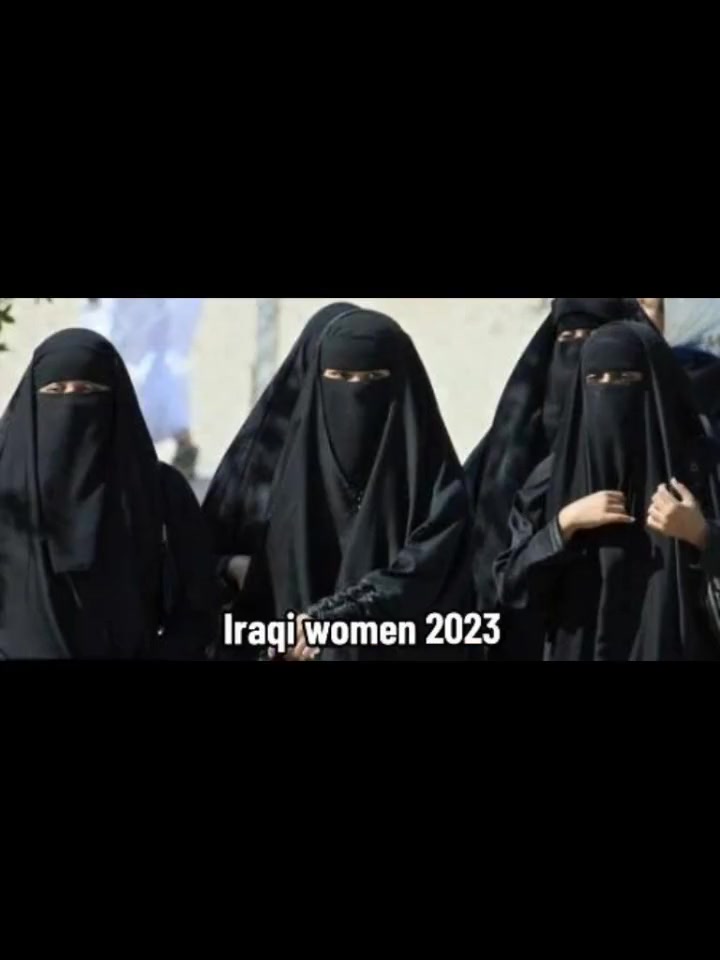
Iraq: 1970 → 2023
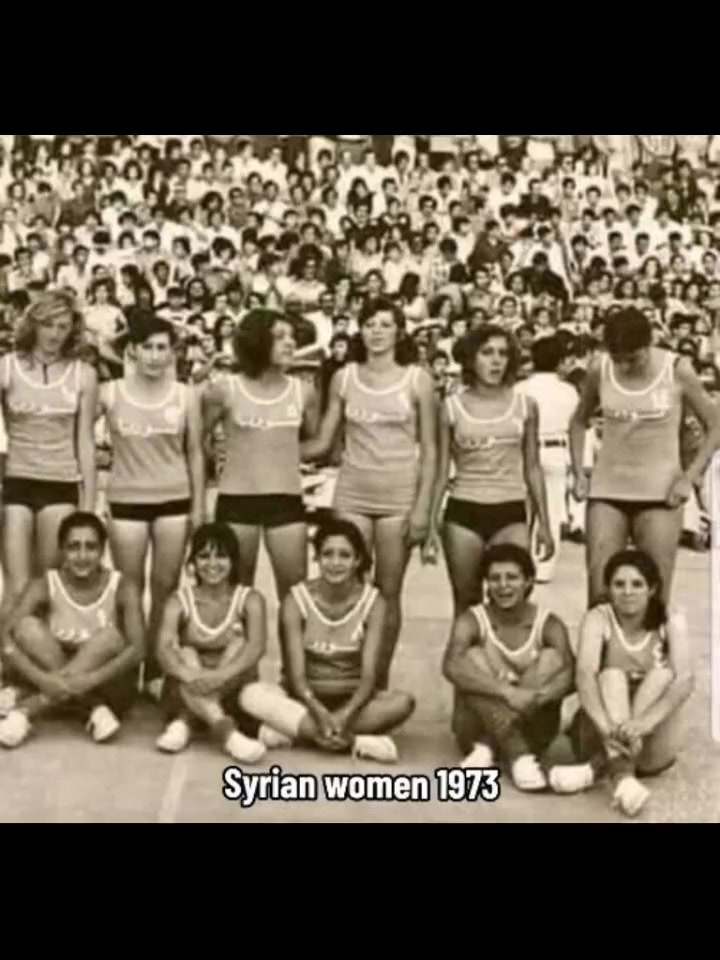
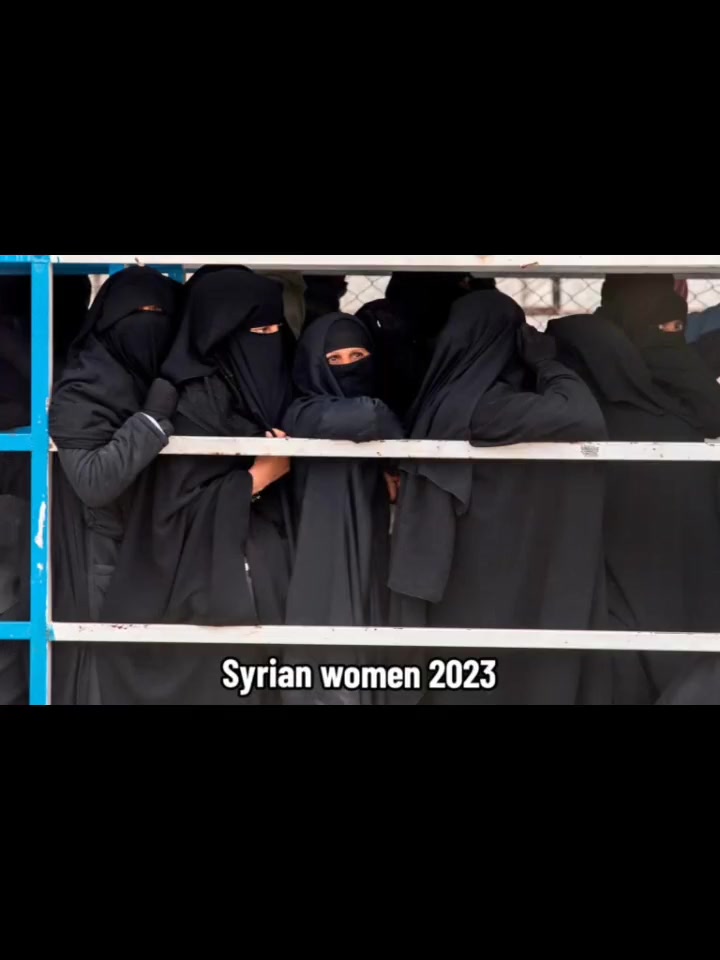
Syria: 1973 → 2023
Algeria: Traditional → 1970 → 2023
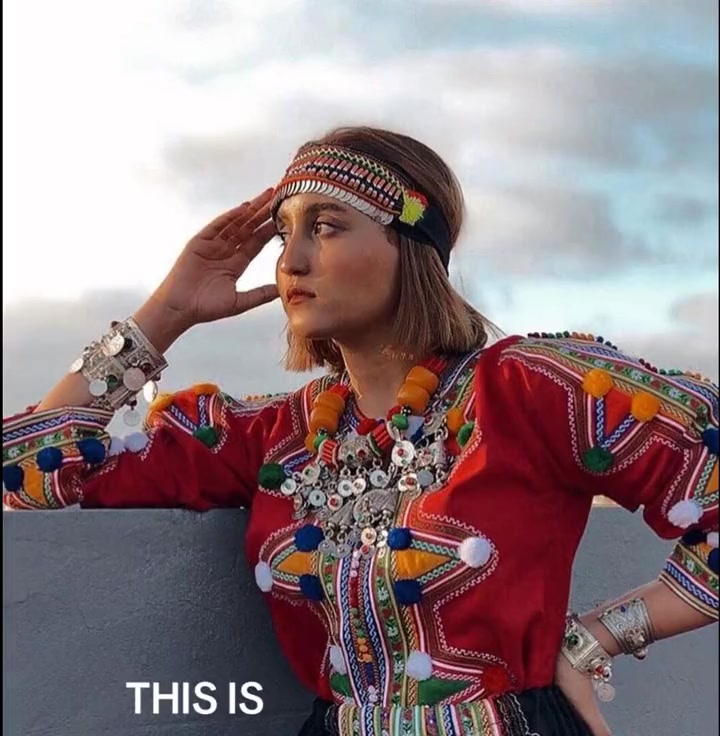
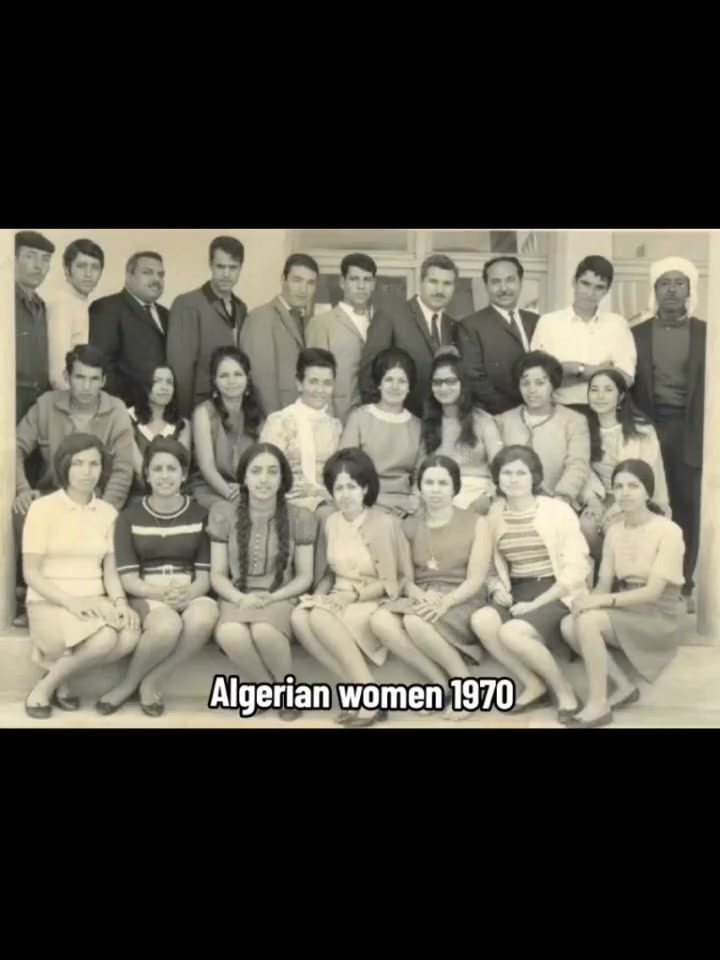
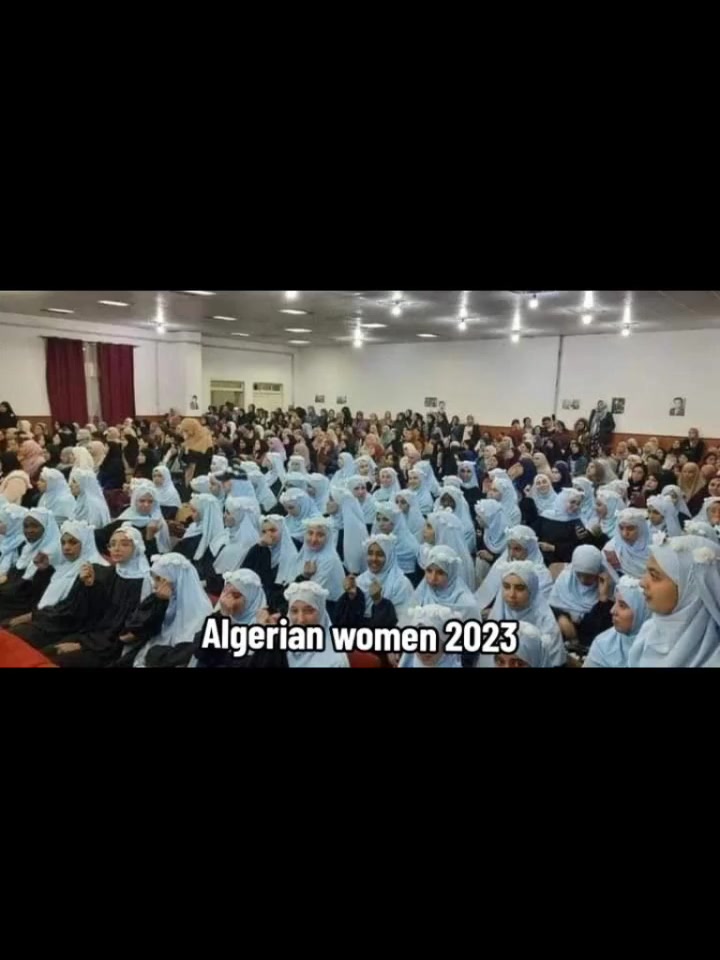
Every country in these photographs followed the same trajectory: secular governance, mixed public life, and women with visible faces and the freedom to dress as they chose — then political Islam gained power or influence, and that freedom was systematically removed.
The specific mechanism differed by country — Taliban military conquest in Afghanistan, Islamist revolution in Iran, Gulf-funded social pressure in Egypt, ISIS terrorism in Syria — but the outcome was identical. The photographs are not propaganda. They are the record.
The Common Thread
The photographs spanning 1950–2023 show the same transformation in every country: women who lived in mixed public spaces, dressed freely, attended universities, and held professional positions — progressively confined, covered, and restricted as political Islam gained power.
This is not the natural expression of an ancient tradition. Traditional pre-Islamic dress in these regions was colorful, ornate, and culturally specific to each community. The uniform black covering that has replaced it in many areas is a political and doctrinal imposition, not a cultural continuity.
The legal framework that drives these changes is documented in full: "Islam Treats Women Equally": What Sharia Law Actually Says About Women's Rights →
Sources & References
- 1. Concerned Citizen (@samwellsg): Before and after Islam Part 2 — video montage
- 2. Concerned Citizen (@samwellsg): Traditional dress before Islam Part 1 — video montage
- 3. Wikipedia: Women in Iran
- 4. Wikipedia: Women in Afghanistan
- 5. Wikipedia: Women in Egypt
- 6. Amnesty International: Iran annual reports
- 7. Masih Alinejad (@AlinejadMasih): Hijab forces women out of school, to prison, to lashes — and in the West, sharing these stories is called Islamophobia. #LetUsTalk